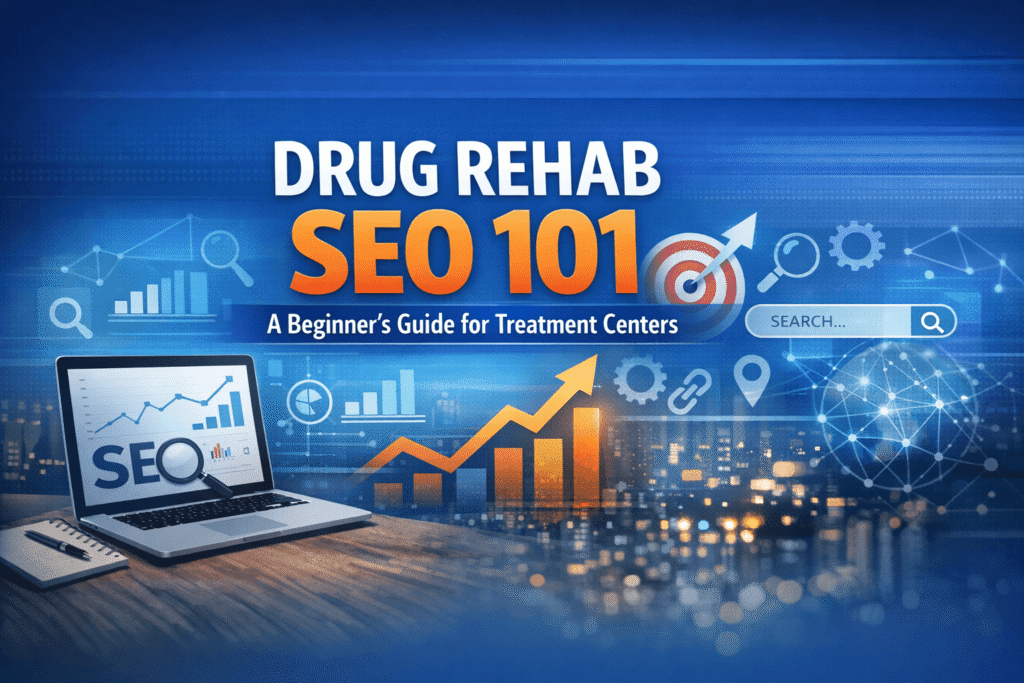
In today’s digital-first world, most people searching for addiction treatment begin their journey online. Whether they are looking for detox programs, inpatient care, or counseling services, search engines like Google play a crucial role in connecting individuals with the help they need. This makes Search Engine Optimization (SEO) one of the most powerful tools for drug rehab and treatment centers.
Drug Rehab SEO is the process of optimizing a treatment center’s website so it appears higher in search engine results when people search for addiction-related services. A strong SEO strategy ensures your facility is visible, trustworthy, and accessible to those seeking help.
This beginner’s guide will walk you through the fundamentals of Drug Rehab SEO and how it can transform your digital presence.
What Is Drug Rehab SEO?
Drug Rehab SEO focuses on improving a treatment center’s website rankings for keywords related to addiction recovery and rehabilitation services. These may include terms like:
-
Drug rehab center near me
-
Alcohol treatment programs
-
Substance abuse counseling
-
Detox facility
-
Inpatient rehab services
Unlike general SEO, Drug Rehab SEO falls under the category of healthcare and wellness marketing, which requires higher levels of credibility, accuracy, and trustworthiness. Google considers this type of content as “Your Money or Your Life” (YMYL), meaning it must meet stricter quality standards.
Why SEO Is Essential for Treatment Centers
1. Increased Visibility
Most users do not scroll past the first page of search results. If your website doesn’t rank well, potential patients may never find you.
2. Builds Trust and Authority
High-ranking websites are perceived as more credible. A strong SEO presence helps establish your center as a reliable and professional treatment provider.
3. Long-Term Cost Efficiency
Unlike paid ads that stop generating leads when budgets run out, SEO delivers sustainable traffic over time.
4. Targets High-Intent Users
SEO connects you with people actively searching for treatment options, making them more likely to convert into inquiries or admissions.
Core Components of Drug Rehab SEO
1. Keyword Research
Keyword research identifies the phrases people use when searching for addiction treatment services. Effective keyword strategies include:
-
Location-based keywords (e.g., rehab center in [city])
-
Service-based keywords (e.g., outpatient rehab programs)
-
Informational keywords (e.g., signs of addiction, recovery process)
Avoid stuffing keywords unnaturally. Instead, focus on user intent and helpful content.
2. On-Page SEO Optimization
On-page SEO refers to optimizing individual pages on your website.
Key elements include:
-
Title tags & meta descriptions: Clear, engaging, and relevant
-
Header tags (H1, H2, H3): Organized content structure
-
Internal linking: Connects relevant pages
-
Optimized images: Proper file names and alt text
-
User-friendly URLs: Short and descriptive
Each page should focus on one primary topic and provide valuable information to the reader.
3. High-Quality Content Creation
Content is the backbone of Drug Rehab SEO. Your website should answer questions, educate visitors, and demonstrate expertise.
Examples of strong content include:
-
Blog posts about recovery methods
-
Guides on addiction treatment options
-
Success stories and testimonials
-
Educational resources for families
Content should be written in a compassionate, supportive tone and avoid medical misinformation.
4. Local SEO for Rehab Centers
Local SEO helps your facility appear in local searches and Google Maps.
Important steps include:
-
Creating and optimizing your Google Business Profile
-
Ensuring consistent name, address, and phone number (NAP) across directories
-
Encouraging genuine patient reviews
-
Adding location-specific content to your website
Local SEO is especially important because most people search for treatment services near their location.
5. Technical SEO
Technical SEO ensures your website runs smoothly and meets search engine requirements.
Key technical elements include:
-
Fast page loading speed
-
Mobile-friendly design
-
Secure HTTPS connection
-
Clean site architecture
-
XML sitemap and robots.txt
A technically sound website improves both user experience and search rankings.
6. Link Building and Authority
Backlinks from reputable websites signal trust to search engines. For rehab centers, good backlink sources include:
-
Healthcare directories
-
Medical blogs
-
Community organizations
-
News outlets
-
Educational resources
Quality is far more important than quantity. Avoid spammy links that could harm your rankings.
Compliance and Ethical SEO for Rehab Centers
Drug rehab websites must follow strict ethical and compliance standards:
-
Avoid exaggerated claims
-
Respect patient privacy
-
Follow HIPAA and healthcare marketing regulations
-
Provide accurate and evidence-based information
Ethical SEO not only protects your brand but also builds long-term trust with patients and search engines.
Measuring SEO Success
Tracking performance is essential to refine your strategy. Important metrics include:
-
Organic traffic growth
-
Keyword rankings
-
Conversion rates (calls, form submissions)
-
Bounce rate and time on page
-
Local search visibility
Tools such as Google Analytics and Google Search Console provide valuable insights into your SEO performance.
Common Mistakes to Avoid
-
Keyword stuffing
-
Thin or duplicate content
-
Ignoring mobile optimization
-
Buying low-quality backlinks
-
Not updating outdated content
-
Neglecting local SEO
Avoiding these mistakes can save time, money, and potential penalties.
How Drug Rehab SEO Fits Into Digital Marketing
Drug Rehab SEO is part of a broader digital marketing strategy that includes content marketing, social media, and online reputation management. It complements other services like seo for businesses and seo for startups, but with additional sensitivity and compliance requirements specific to healthcare and addiction recovery.
Many treatment centers partner with a best digital marketing company that understands healthcare regulations, user intent, and long-term SEO growth strategies tailored to rehab services.
Future Trends in Drug Rehab SEO
Some emerging trends include:
-
Voice search optimization
-
AI-driven content strategies
-
Video and visual search optimization
-
Increased focus on E-E-A-T (Experience, Expertise, Authority, Trust)
-
Greater emphasis on user experience and accessibility
Staying updated with these trends helps your treatment center remain competitive.
Conclusion
Drug Rehab SEO is not just about rankings—it’s about connecting people with the help they need at the right time. By focusing on keyword research, quality content, local SEO, technical optimization, and ethical practices, treatment centers can build a strong online presence that attracts qualified leads and builds lasting trust.
For beginners, the key is to start small, remain consistent, and always prioritize the needs of patients over algorithms. A well-optimized website can make a meaningful difference in saving lives and growing your organization responsibly.
Frequently Asked Questions (FAQs)
1. What is Drug Rehab SEO?
Drug Rehab SEO is the process of optimizing a treatment center’s website to rank higher in search engines for addiction and recovery-related keywords.
2. How long does it take to see SEO results?
Typically, noticeable results appear within 3 to 6 months, depending on competition and strategy quality.
3. Is SEO better than paid ads for rehab centers?
SEO offers long-term benefits, while paid ads provide immediate visibility. A balanced approach works best.
4. Why is local SEO important for treatment centers?
Most patients search for nearby facilities, making local SEO essential for visibility and conversions.
5. What kind of content should rehab centers publish?
Educational blogs, recovery guides, FAQs, and patient resources work best.
6. Are backlinks safe for rehab SEO?
Yes, if they come from trusted and relevant websites such as healthcare and community sources.
7. Can SEO violate healthcare regulations?
It can if done improperly. Ethical SEO must follow compliance and privacy standards.
8. How often should SEO content be updated?
Content should be reviewed and updated every 6–12 months for accuracy and relevance.
9. What tools help track SEO performance?
Google Analytics, Google Search Console, and keyword tracking tools are commonly used.
10. Should small rehab centers invest in SEO?
Yes, SEO provides cost-effective and sustainable growth even for smaller facilities.